How Do You Set Up an HNB Order on Puff EU? 7 Steps Compared Across Platforms
Before you begin, get three things ready: a valid delivery address in a European country, a payment method you are comfortable using online, and a clear idea of which heat-not-burn device or stick brand you actually want. That last point matters more than most buyers expect. Heat-not-burn shopping is not the same as picking up a pack at a kiosk, because device compatibility, stick variants and stock availability all shape what you can order in a single session. If you want to see how one established shop handles all of this end to end, puff-eu.com is a useful reference point, and I will use it as the baseline throughout this comparison.
I spent time comparing how the ordering flow works on desktop, on mobile and through the different platform entry points that European buyers typically use. The short version: the core sequence is similar everywhere, but the differences show up in payment handling, address logic and how quickly you can reorder. Below are the seven steps, each answered as a question, with notes on where platforms diverge.
1. What Do You Need Ready Before You Start?
The preparation stage is where most abandoned orders are actually lost, not at checkout. Three items matter.
First, your delivery address in the exact format the local postal service expects. European addresses vary a lot: some countries put the house number before the street, some after, and some require a district or province line that buyers routinely skip. Enter it wrong and the parcel bounces back, which is a slow and annoying outcome for a consumable product you probably wanted this week.
Second, a payment method that works cross-border. Card payments are the default almost everywhere, but some buyers prefer bank transfer or a local wallet. The practical question is not which method is theoretically best, but which one your bank will not flag as suspicious on a first-time international transaction.
Third, a shortlist. Heat-not-burn catalogues are wide. There are devices, there are stick packs, and there are accessories. If you arrive without a shortlist, you will spend twenty minutes comparing variants and probably order the wrong strength or flavour family. Decide on brand and variant before you open the shop.
2. How Does Search and Filtering Differ Between Platforms?
On desktop, filtering is usually the fastest route. You filter by brand, then by device or stick, then by variant. On mobile, filters tend to be hidden behind a button, and the sort order defaults to whatever the shop considers popular rather than what you searched for.
This is the first real platform difference worth knowing. If you are browsing on a phone while commuting, you will likely see a different first screen than you would on a laptop at home. That is not a bug; it is merchandising. The result is that the same query can surface different products depending on device.
The workaround is simple: search by the exact product name rather than browsing categories. Exact-name search behaves consistently across platforms, whereas category browsing does not. If you only remember the brand, filter by brand first and ignore the featured section entirely.
3. How Do You Confirm Device and Stick Compatibility?
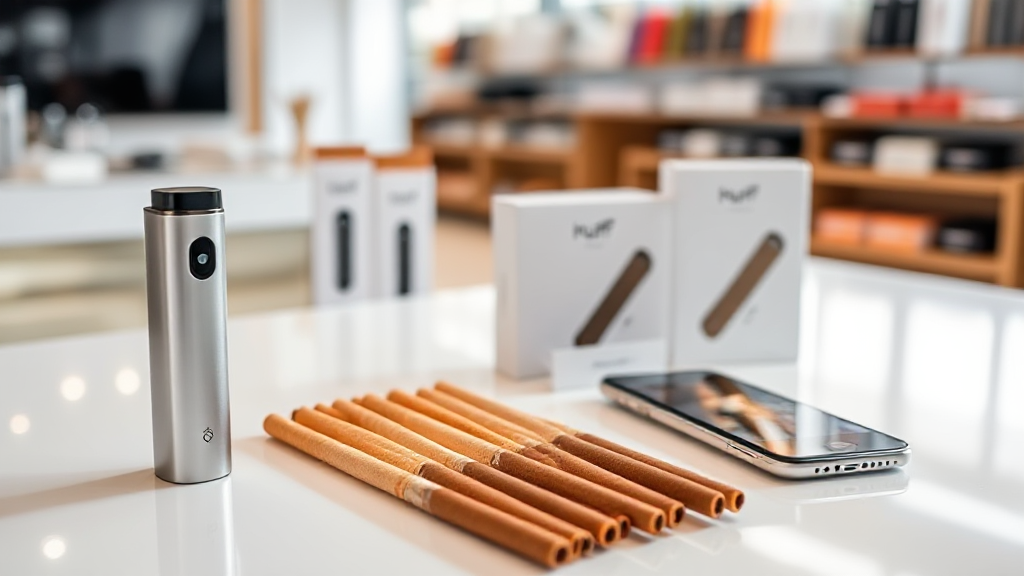
This is the step I would emphasise most strongly to anyone new to heated tobacco. Devices and sticks are not universally interchangeable. A stick designed for one heating system may not fit or perform correctly in another, even when both are sold side by side.
So the question becomes: how do you verify compatibility before paying?
Answer: read the product description on the device page, not the stick page. Device pages usually state which stick families are supported. Stick pages often assume you already know. If the description is ambiguous, check whether the shop groups sticks by device family, which is a strong signal that compatibility is being handled deliberately rather than left to the buyer.
Where platforms differ here is in how much guidance they give. Some shops present a clean device-to-stick mapping. Others leave you to infer it. The inference approach is fine for experienced users and frustrating for everyone else.
4. What Changes at Checkout on Desktop Versus Mobile?
Checkout is where the differences become concrete rather than cosmetic.
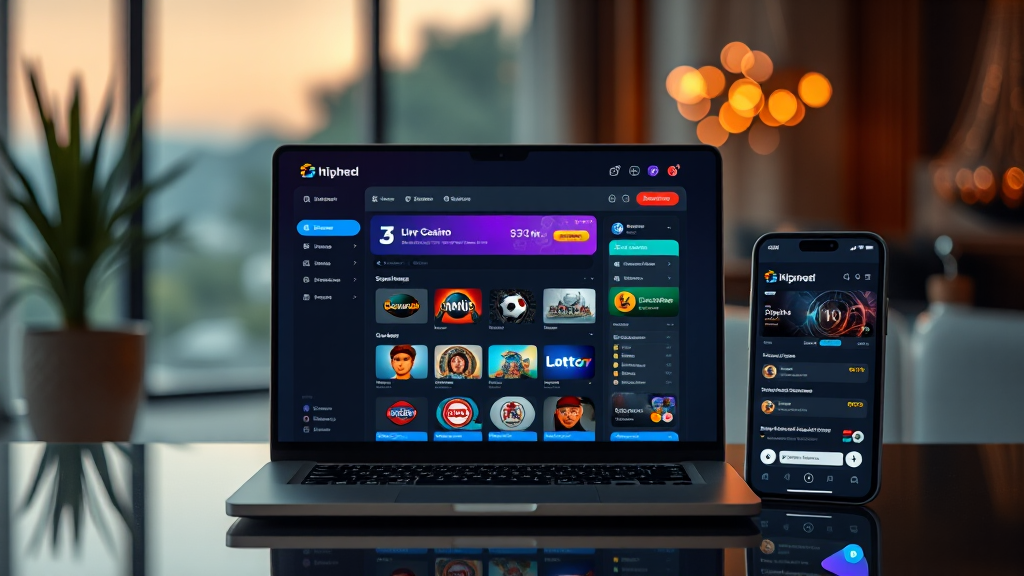
On desktop, you typically get a full order summary visible alongside the address form. You can see line items, quantities and totals without scrolling, which makes catching a mistake easy. Address autofill works well, and payment fields are wide enough to avoid typos.
On mobile, the summary usually collapses. You see the total, but not always the itemised list. Address entry relies on your keyboard’s autofill, which is convenient until it inserts an old address. Payment forms are narrower, and card number entry is more error-prone.
None of this is a reason to avoid mobile. It is a reason to slow down on the confirmation screen. Read the collapsed summary before you tap pay. If the platform lets you expand it, expand it.
The other platform variable is guest checkout. Some shops allow it; others require an account. Guest checkout is faster, but it makes reordering harder later, because you have no order history to reference. If you expect to buy again, creating the account upfront saves time on the second purchase.
5. How Do Payment Options Compare Across Regions?
Payment availability in European e-commerce is not uniform. The same shop may offer different methods depending on the buyer’s country, because local payment preferences and banking infrastructure differ.
Card payment is the most consistent option and the one I would default to for a first order. It gives you a clear transaction record and, in most cases, a chargeback route if something goes wrong. Bank transfer is cheaper for the merchant but slower for you, and it introduces a gap between payment and dispatch that can complicate stock availability.
Local wallets are convenient where they exist, but they are the least portable option. If you move country or change banks, you may lose access to the method you prefer.
The practical advice: use the method you can dispute if necessary, and keep the confirmation email. Secure checkout pages should show a lock indicator and a recognisable payment processor. If either is missing, stop and reconsider.
6. What Should You Expect From Delivery Timelines?
Delivery speed depends on where you are and where the stock sits. Intra-EU shipping is generally fast because goods move within the single market, but the variance between countries is real.
Three factors drive the timeline:
Dispatch time, which is how long the shop takes to hand the parcel to the carrier. This is usually the most controllable factor and the one worth checking on the product page.
Transit time, which depends on distance and carrier. Neighbouring countries are quick; peripheral regions take longer.
Customs and local handling, which should not apply for intra-EU movement of goods that are legally sold in the destination country, but can still cause delays if documentation is incomplete.
Platform differences appear here too. Some shops show a delivery estimate at checkout based on your postcode. Others show a flat range for the whole region. The postcode-based estimate is more useful, because it accounts for your actual location rather than averaging the continent.
7. How Do You Reorder and Manage Repeat Purchases?
Repeat purchasing is the step that separates a well-designed shop from a merely functional one. Heat-not-burn sticks are consumables, so most buyers return. The question is how much friction the return involves.
If you created an account, reordering should be a two-click process: open order history, re-add the same items, confirm the saved address and payment method. If you checked out as a guest, you start from scratch every time, which is tedious and increases the chance of ordering the wrong variant.
Some platforms add a saved-list or favourites feature. This is genuinely useful for consumables, because your regular stick order rarely changes. If the shop offers it, use it.
The comparison conclusion is straightforward: the ordering sequence is broadly the same everywhere, but the platforms diverge on mobile summarisation, payment availability by region, delivery estimate precision and reorder convenience. On a desktop with a saved account, the differences are minor. On a phone as a guest, they are significant.
Frequently Asked Questions
Do I need an account to place an order?
Not always, but it is worth creating one. Guest checkout is faster for a single purchase, while an account gives you order history, saved addresses and quicker reordering. For a consumable product you will buy repeatedly, the account pays for itself on the second order.
Why does the same product look different on my phone?
Mobile layouts collapse the order summary and often reorder the product listing to prioritise featured items. The products are the same; the presentation is not. Use exact-name search rather than category browsing to get consistent results across devices.
How do I know a stick fits my device?
Check the device product page first, since it usually lists supported stick families. If the description is unclear, look for shops that group sticks by device family, which indicates compatibility is being managed deliberately rather than assumed.
Which payment method is safest for a first order?
A card payment through a secure checkout is the most practical default. It gives you a transaction record and a dispute route if the order goes wrong. Confirm the checkout page shows a lock indicator and a recognisable payment processor before entering details.
Overall, the setup is not complicated once you know where the platform differences sit. Prepare your address and shortlist, verify compatibility on the device page, slow down on the mobile confirmation screen, and use an account if you plan to buy again. That covers the seven steps and the main ways the experience shifts between platforms.